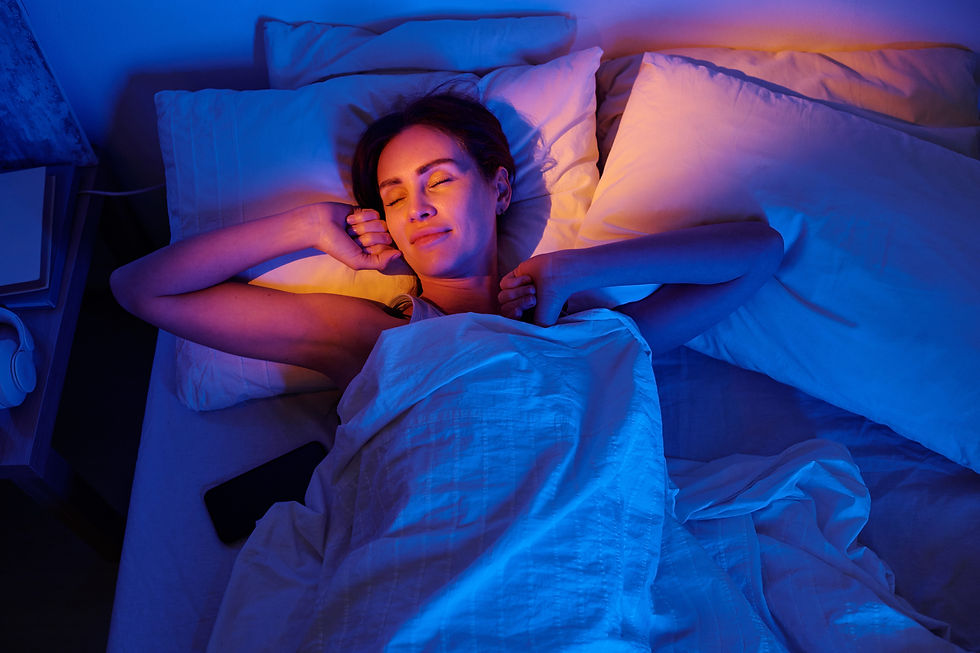
We Tried The Sleep Crown Pillow And The Results Are Interesting
Some sleep products sound a bit too dreamy on paper. A soft pillow that rests over your head, helps block distractions, and makes bedtime feel calmer? Nice idea, but does it actually help?
After trying it, yep, we get the hype.
The pillow has also been featured on Kourtney Kardashian’s wellness platform, Poosh, which is probably where a lot of people first spotted it. But the real question isn’t whether it looks good in a cosy bedroom setup. The real question is whether it helps you settle down, stay comfortable, and drift off with less tossing around.
For us, the answer was yes. And when we paired it with gentle sleep music, the whole thing worked even better.

What the Sleep Crown pillow is supposed to do
The idea behind the Sleep Crown is pretty simple. It’s a soft, lightly weighted pillow designed to rest over the head, eyes, or upper face area, depending on what feels best. Instead of using a standard pillow under your head, it gives you gentle pressure from above.
That pressure is the part that surprised us most. It doesn’t feel heavy in an annoying way. It feels more like being tucked in.
The pillow can help with a few common bedtime annoyances:
Light leaking into the room
Small background sounds
That exposed, restless feeling when you’re trying to settle
The urge to keep moving around to get comfortable
It’s not magic, and it’s not a medical device. If sleep issues are serious or ongoing, it’s always best to speak with a qualified professional. But as a comfort tool, it makes sense fast.
A lot of people already use weighted blankets for a similar reason. Gentle pressure can feel grounding. This pillow brings that same sort of cosy, cocoon-like feeling closer to your head and face.
Our results after trying it
The first thing we noticed was how quickly the pillow changed the mood of the room. That sounds dramatic, but it’s true. Once it’s over your eyes or resting near the top of your head, there’s less to react to.
No little shadows. No blinking charger light across the room. Less awareness of movement outside the bedroom door.
The Sleep Crown Pillow worked especially well during that annoying half-awake phase, when your body is tired but your brain still wants to run through every thought from the day.
The best way to describe the feeling is this:
It doesn’t knock you out. It helps your body get the hint that it’s time to stop checking in with the world.
That’s where it really shines. It creates a physical signal. Your body starts to connect the pillow with winding down.
We liked it most for:
Falling asleep after a busy day
Blocking out soft ambient light
Resting during a nap
Creating a more comforting bedtime routine
Pairing with calming audio
It may take a night or two to figure out where you like placing it. Some people may prefer it across the eyes. Others may like it higher on the forehead or gently around the crown of the head. The comfort comes from finding your own sweet spot.
How we made it even better
The pillow handles part of the problem. Sleep music handles another part.
When you’re trying to fall asleep, your senses are still busy. Your eyes pick up light. Your ears track sounds. Your mind grabs onto random thoughts. The pillow helps cut down visual distractions and adds comforting pressure. Sleep music gives your brain something soft and steady to follow.
Together, they create a full wind-down experience.
Think of it like this. The pillow says, “You’re safe and tucked in.” The music says, “Stay here, slow down.”
That combo worked better than using either one alone.
With sleep music playing quietly, there was less temptation to focus on thoughts. The sound filled the room just enough, without becoming something to actively listen to. The best tracks were slow, warm, and repetitive. Nothing too dramatic. Nothing with sudden changes.
These Spotify playlists work perfectly for sending you into a deep sleep:
Or listen on Apple Music
How to use the pillow and music together
This is where the results really improved. The pillow is nice by itself, but it works best as part of a routine. It doesn’t need to be complicated.
Here’s the simple setup we liked:
Lower the lights before getting into bed
Give your body a clear signal that the day is ending.
Start the music before you lie down
This keeps you from reaching for your phone once you’re comfortable.
Place the pillow where it feels calming
Try it over your eyes, above your forehead, or gently around the top of your head.
Keep the volume lower than you think
Sleep music should sit in the background. If you’re actively listening, it may be too loud.
Use the same routine for a few nights
Repetition helps. Your body starts recognising the pattern.
One small tip: don’t treat it like a test. If you lie there thinking, “Is this working yet?” you’ll probably stay awake longer. Let it be part of the environment, not a performance.
The takeaway
The pillow works because it makes bedtime feel quieter, darker, and more contained. It gives your body a soft physical cue to settle down. That alone is helpful.
But pairing it with sleep music takes the experience further. The pillow reduces outside distractions, while the music gives your mind something calm to follow. Together, they create a bedtime routine that feels simple, soothing, and easy to repeat.
If you’re curious because you saw it on Poosh, the buzz makes sense. After trying it, we’d say it’s best for anyone who wants sleep to feel less like a struggle and more like easing into a cosy little cocoon.