
Ultimate Sleep Music Guide for Deep Sleep: Tips for Faster and Longer Slumbers
- Eden Clarke
- Feb 25
- 3 min read
Getting a good night’s sleep can feel impossible for many people. Tossing and turning, racing thoughts, and waking up multiple times during the night are common struggles. One effective way to improve sleep quality is by using sleep music designed to help you fall asleep faster and stay asleep longer. This guide explains how sleep music works, the best types to try, and practical tips for creating your ideal sleep environment.
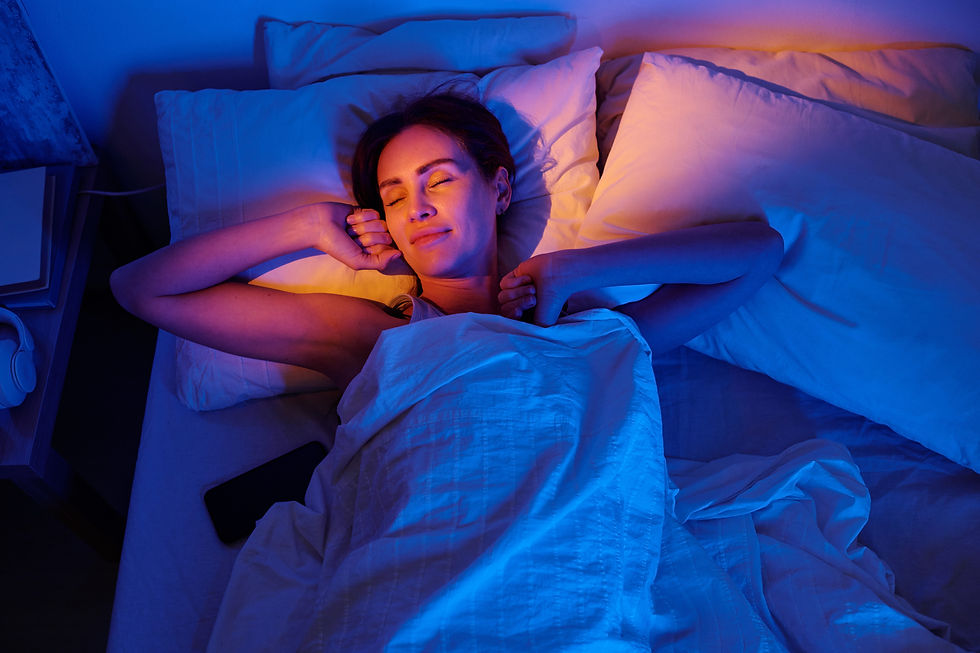
How Sleep Music Helps You Sleep Better
Sleep music works by influencing your brainwaves and calming your nervous system. When you listen to slow, soothing sounds, your brain shifts from an alert state to a relaxed state. This transition helps reduce stress and anxiety, two major barriers to falling asleep quickly.
Research shows that music with a slow tempo, around 60 to 80 beats per minute, can synchronize with your heartbeat and breathing, encouraging relaxation. This synchronization lowers your heart rate and blood pressure, making it easier to drift off.
Music also masks disruptive noises like traffic or loud neighbors, creating a consistent sound environment that keeps you asleep longer. Unlike white noise, sleep music often includes melodies or natural sounds that feel more pleasant and less mechanical.
Types of Sleep Music to Try
Different kinds of sleep music work better for different people. Here are some popular options:
Classical music: Pieces by composers like Mozart or Debussy with slow tempos and gentle melodies are favorites for many. They create a calm atmosphere without sudden changes.
Nature sounds: Sounds like rain, ocean waves, or forest ambiance can be very soothing. These sounds remind the brain of peaceful natural environments.
Binaural beats: These use two slightly different frequencies in each ear to encourage brainwave patterns associated with deep sleep. Some people find them very effective, but they may not work for everyone.
Instrumental music: Soft piano, acoustic guitar, or harp music without lyrics helps avoid engaging your mind too much.
Ambient music: This genre focuses on creating a smooth, flowing soundscape without sharp changes or rhythms.
If you want a smoother night’s sleep, try Spotify playlists made for deep sleep, with gentle, uninterrupted sounds - like this one: https://open.spotify.com/playlist/5WP6ecxysrL1NACoQwmeCy?si=17dc675782e540d7
How to Use Sleep Music for the Best Results
To get the most from sleep music, follow these tips:
Set a consistent bedtime routine: Play your sleep music at the same time every night to signal your brain it’s time to wind down.
Keep volume low: Music should be loud enough to hear but not so loud it distracts or wakes you.
Choose a Spotify playlist which lasts for 8+ hours: This way you won't be woken up with any sudden changes in music.
Choose comfortable speakers or headphones: Wireless earbuds designed for sleep or a small speaker near your bed work well.
Combine with other relaxation techniques: Deep breathing, meditation, or gentle stretching before bed can enhance the calming effects of music.
Creating the Perfect Sleep Environment
Sleep music is one part of a good sleep setup. To improve your chances of deep, restful sleep, consider these factors:
Darkness: Use blackout curtains or an eye mask to block light.
Cool temperature: Keep your bedroom between 60 and 67 degrees Fahrenheit (15-19 degrees Celsius).
Comfortable bedding: Invest in a mattress and pillows that support your preferred sleeping position.
Limit screen time: Avoid phones, tablets, or TVs at least 30 minutes before bed to reduce blue light exposure.
Common Mistakes to Avoid When Using Sleep Music
Some habits can reduce the effectiveness of sleep music:
Choosing music with lyrics or fast beats: These can keep your brain active instead of calming it.
Playing music too loudly: Loud sounds can cause micro-awakenings, disrupting sleep quality.
Using music inconsistently: Irregular use makes it harder for your brain to associate music with sleep.
Relying solely on music: Sleep music helps but should be part of a broader sleep routine.
Examples of Sleep Music Playlists and Apps
Here are some popular resources to explore:
Spotify Sleep Playlists: Search for “Deep Sleep,” “Sleep Sounds,” or “Relaxing Piano.”
Calm App: Offers guided sleep meditations with music and nature sounds.
YouTube Channels: Channels like “Sleep Easy Relax” provide hours of continuous sleep music.
mellow.: Spotify playlists designed for deep sleep, with smooth, calming music and gentle frequencies to help you relax and fall asleep. Listen here: https://open.spotify.com/artist/6B4nnyTkpLjBNE0ICh2lb9?si=EdopW13STRGgbX0q8VbeAw
Tips for Personalizing Your Sleep Music Experience
Everyone’s sleep needs are different. To find what works best:
Experiment with different genres and tempos.
Notice how your body and mind respond to each type.
Adjust volume and timing based on your comfort.
Combine music with other calming activities like reading or journaling.
Keep a sleep diary to track improvements and patterns.
Using sleep music consistently can train your brain to relax faster, helping you fall asleep more quickly and stay asleep longer.


